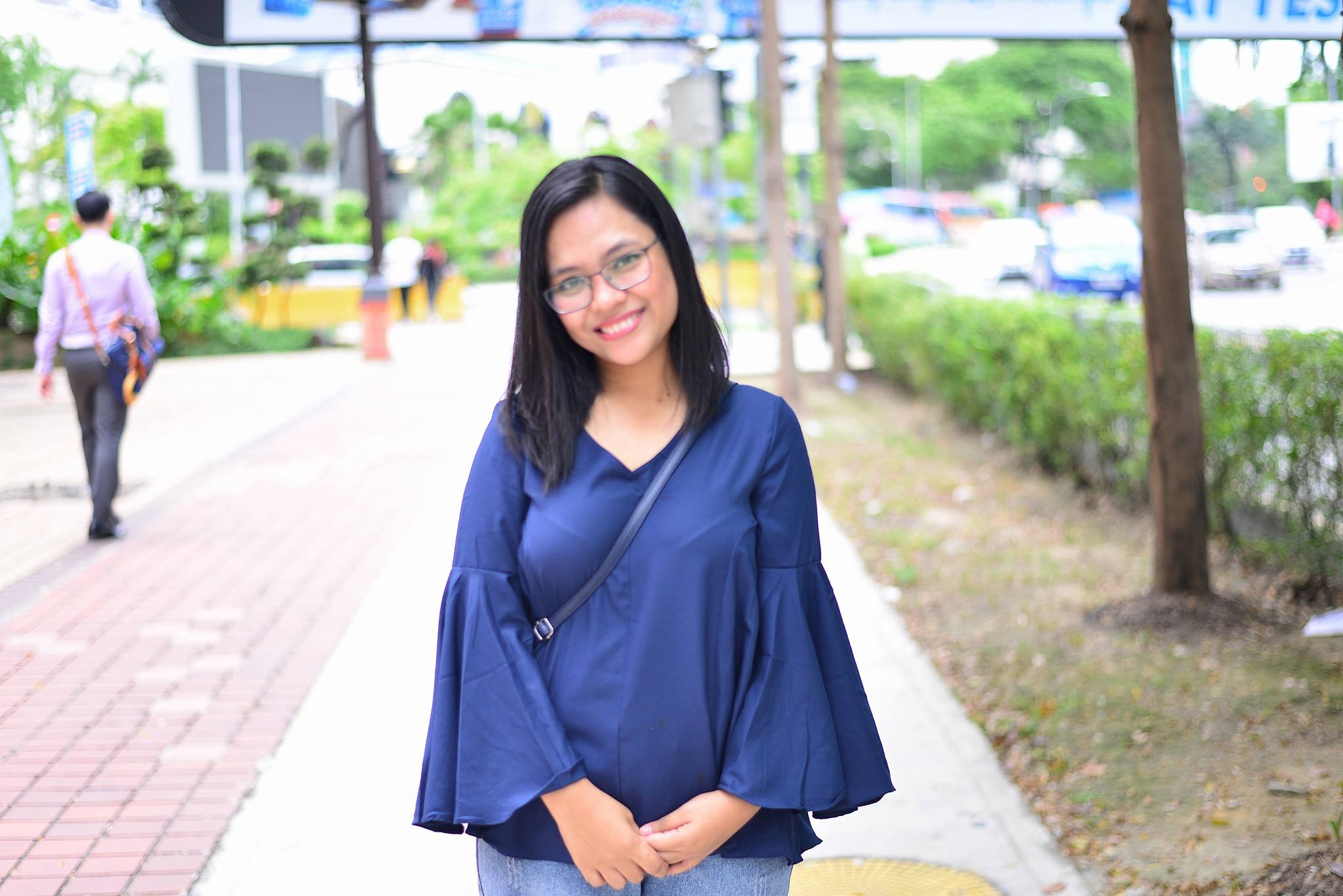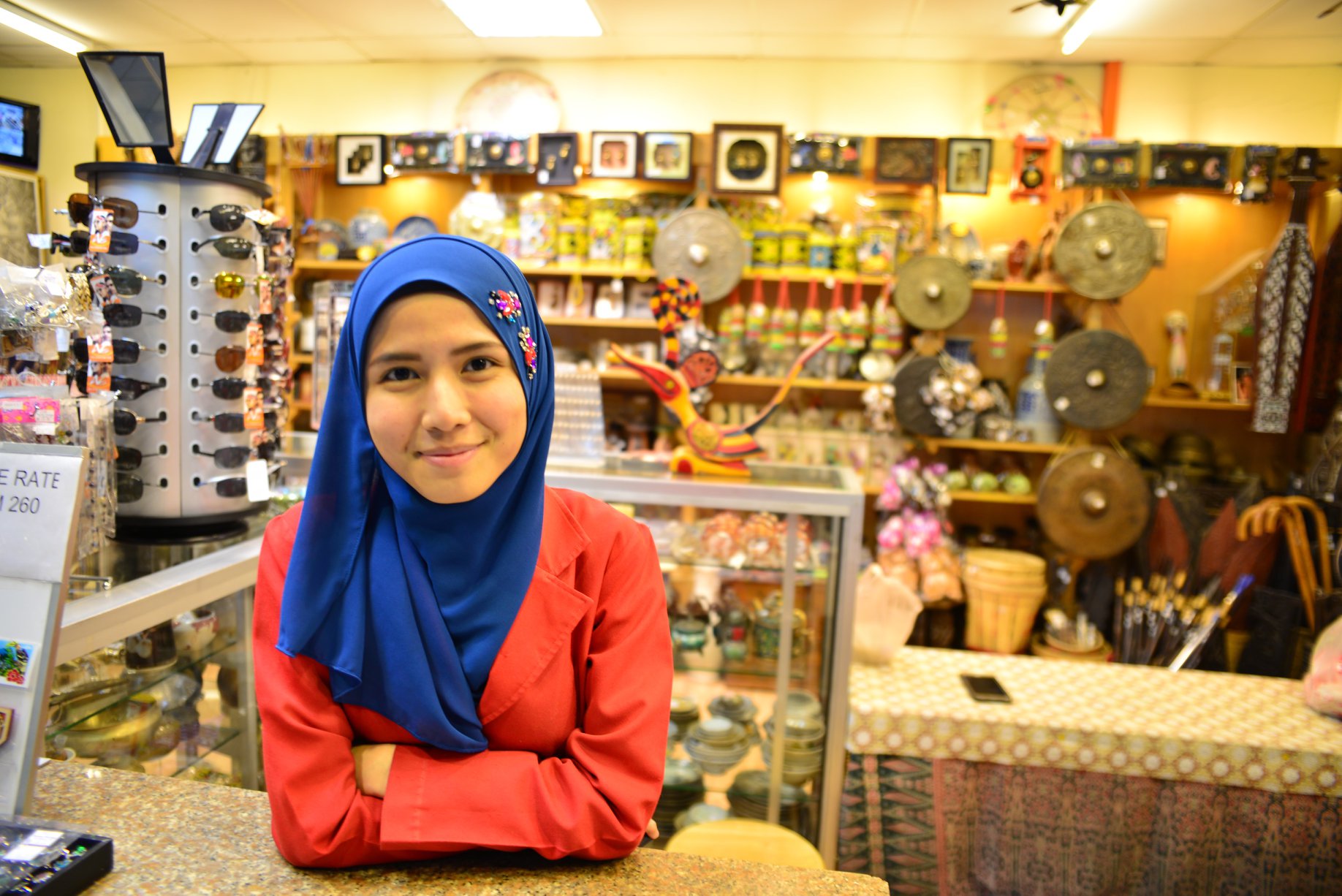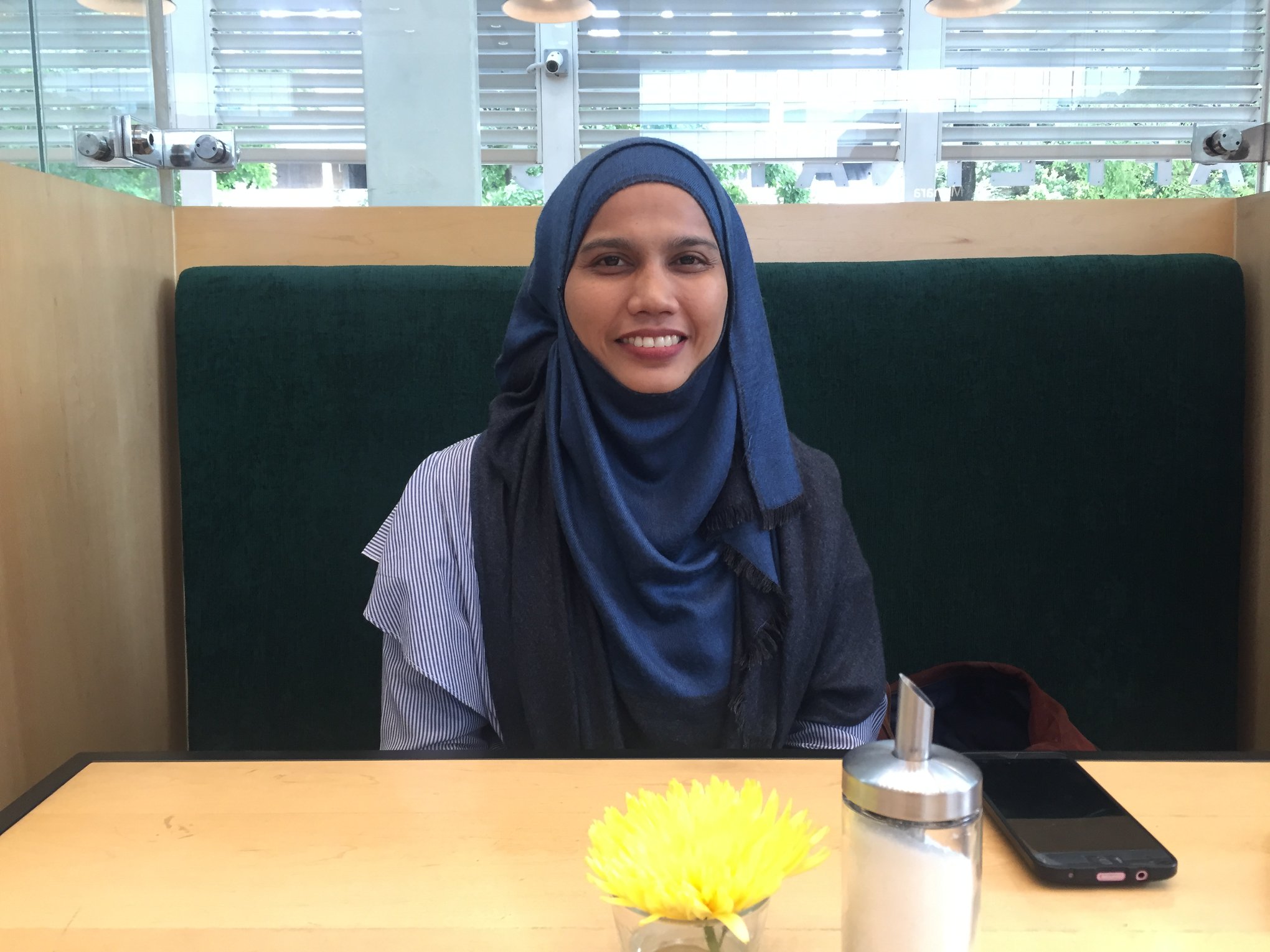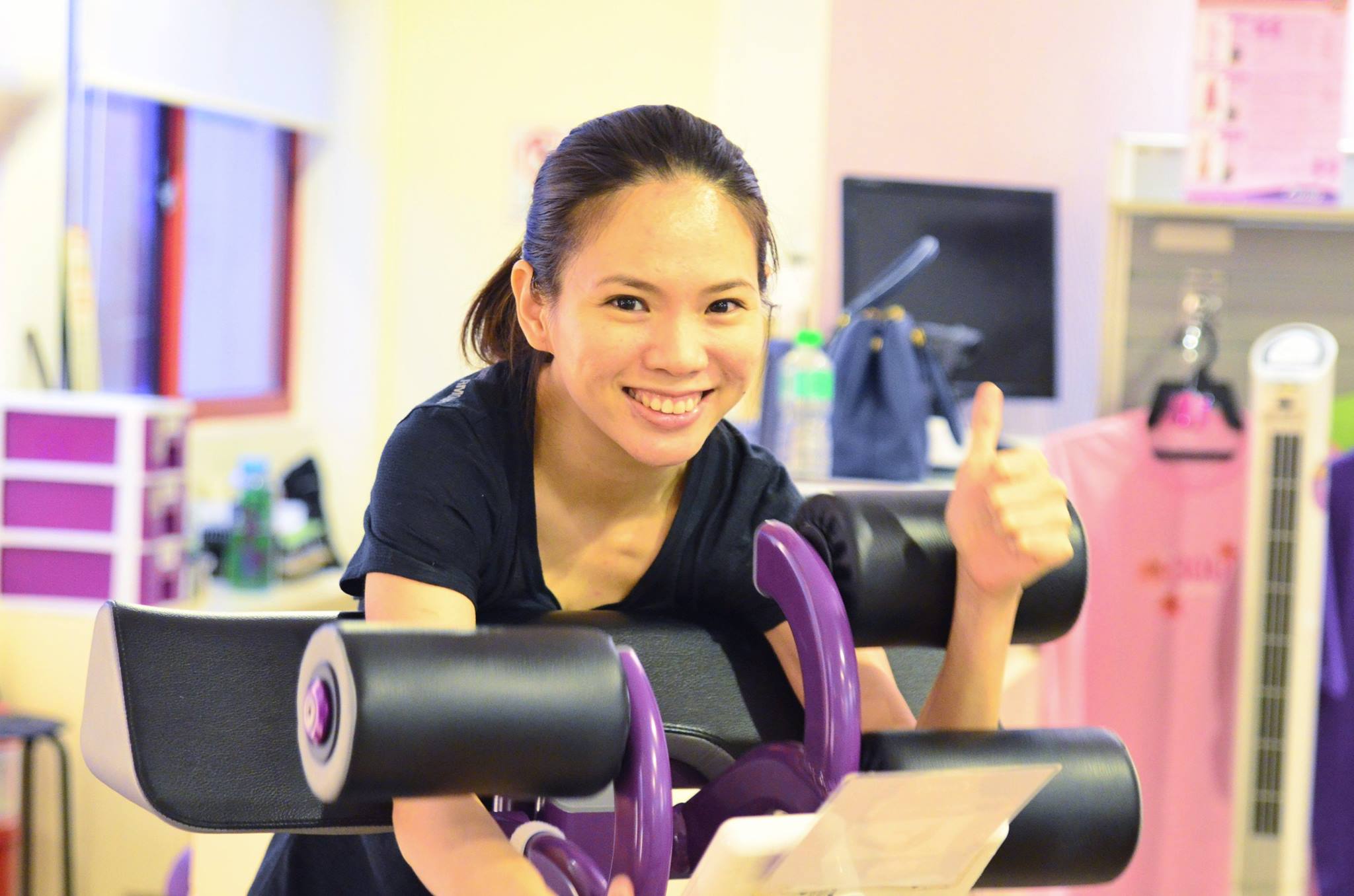
“I’m Malay. Kungfu and martial arts, in general is blind to creed, religion and geographical origins….”

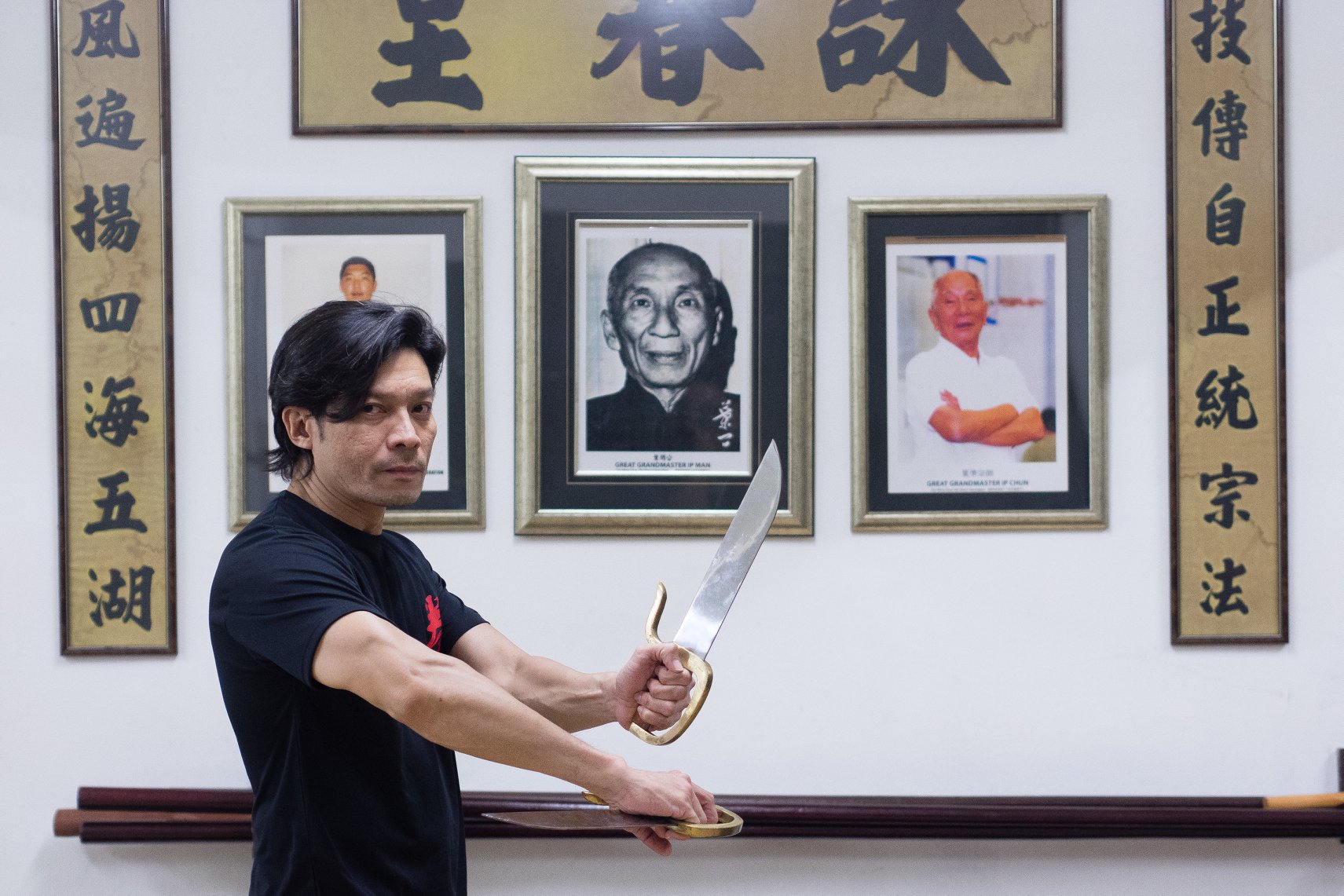
“As a practitioner of the art, I have never felt that my creed, race or ethnicity has affected me in any way, in either my training as a martial artist or teaching of the art.

When we set up this school (in Cheras) three to four years ago, it was more in a sense of finding a place that’s not too expensive. This is a non-profit organization. We don’t do it for profit. I mean the students pay fees, but the purpose is for each student to contribute for the place of training. 

Just like any school, this is a place where people grow up, and it’s about finding yourself. I think I’ve seen it with the students that come through here, and stayed for a significant amount of time and they become really good friends. There is camaraderie of sorts, a feeling that they belong to the same journey.

We call it the kungfu brotherhood. That’s why in kungfu you refer to each other as your elder brother, younger brother, your sister… It’s a family, and I think the idea of family was born out of the fact that everybody in the journey is responsible for the expression of the art, and the spread of the art. It’s been wonderful seeing this place evolve to be an extended family, for me and for the students.

To me, teaching is about the sharing of the experience or journey, of course you undertake a certain amount of formal teaching, but the satisfaction comes from the evolution of the individual that began as a novice… where you see the awkwardness, the stuttering steps.

Then almost like a flower blossoming, several months later, you see improvements, you see the rise in confidence, you see the increase in passion, and you see that double and triple as they continue in the journey. 

They come to a stage where they are matured in the understanding of the art, and they take it to the next level, and when that happens, to a lesser or greater degree, depending, you feel you have given something, and that feeling of having given something, that’s the most satisfying thing for me.” – Sifu Kamarul Hisham Kamaruddin, Wing Chun Cheras – Kung Fu Centre.

Story by Christine Cheah (Yu Ping May)
Photo by Irene Yap

Do you have a story? Let us know here: https://forms.gle/ht4HsvbxgSgcKS5h8
 

(This post was first published on February 18th 2018)

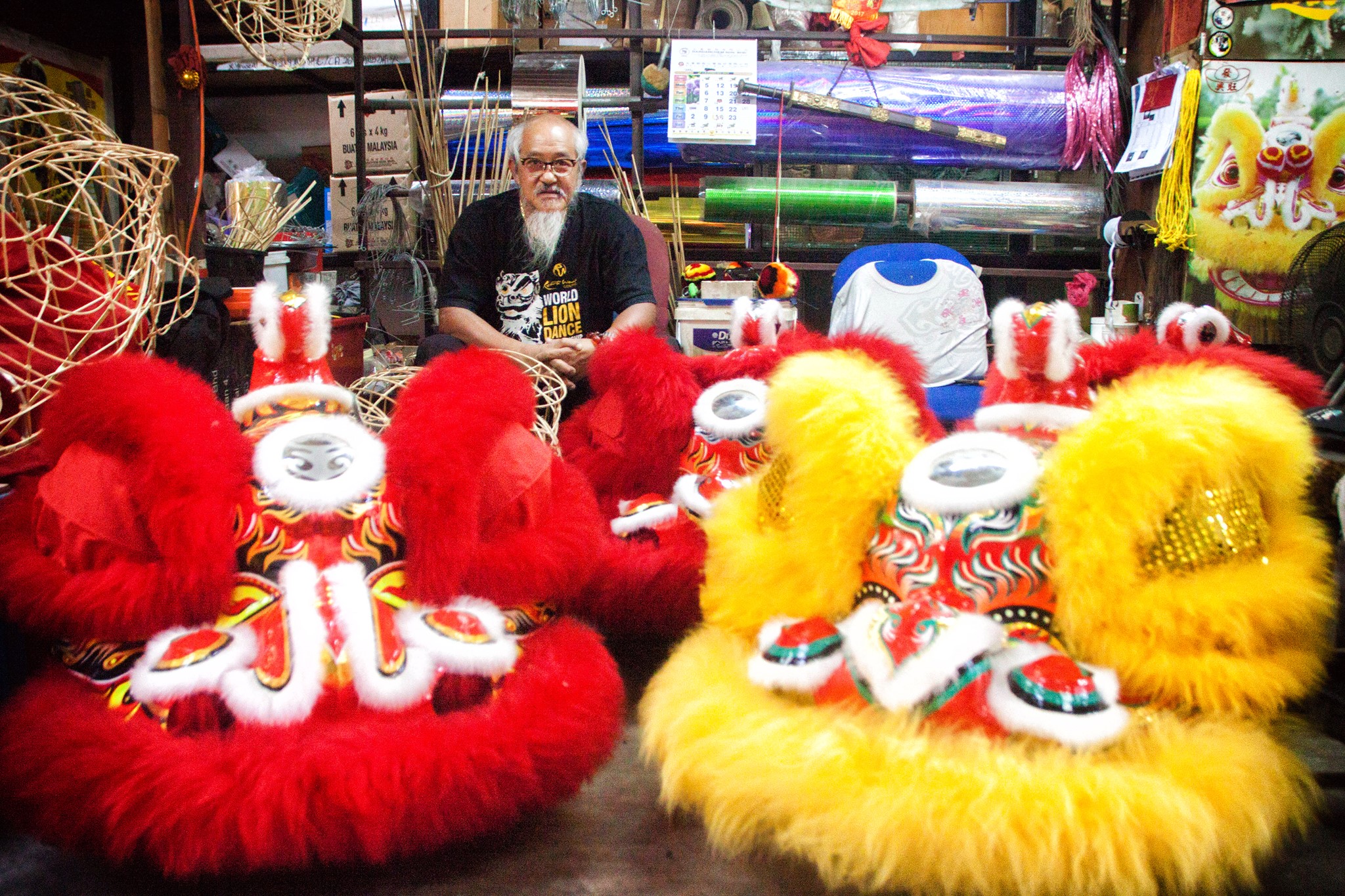
Master Siow Ho Phiew is often hailed as the father of high pole lion dance in Malaysia.

“When we speak about the culture of lion dance, it involves the ‘habits’ and ‘tendencies’ of the lion — essentially the nature of the ‘lion’. 

It’s been about 40 years now. From my days of hands-on coaching, I learned if things turns out well, it is the best; but if it not, it is alright. Today, my disciples call the shots independently. If I continue to direct them, it is shameful… This means that we didn’t educate them and we have taken our duties lightly.

The art and knowledge of lion dance does not only lie in the lion’s movements, the heart of real inheritance of tradition and culture lies is in its undying spirit of education and moral values. 

There’s a saying “competition comes second, friendship comes first”. I think this is nonsense. When you compete, “competition comes first, friendship comes second”. In a lion dance competition, attitude is everything. It would be ideal to to have both spirit of competition while valuing friendship, but if you compete half-heartedly, it would be better not to compete. Once you made up your mind to compete, then be your best and aim to surpass yourself every time you compete.

This work is not about personal reputation or the spotlight. We look at the things other troupes are doing, and if there is something worth admiring, we will look to them as role models. As practitioners, we have to learn to be sympathetic and lend others a hand to really push forward (the culture and practice) together. 

The concept of passing down traditions and culture (to the next generation) is fluid. If a culture is healthy and strong, there’s little need to worry about it fading away and being lost to time. What we need to be worrying about is whether we are doing our best within our own generation and worrying whether there are any black sheep that may spoil the whole herd. 

Even if practitioners do not perfect the craft itself, they should at least learn how to be a decent person. They should not make the excuse of saying they did not receive education and permit themselves to be uncivilised. This is just unacceptable and self-deceiving. Also, we are living at the age of the internet, where with one slight misbehaviour, you will realise in no time how other people judge you as a person.” – Master Siow of the關聖文化宮 Kun Seng Keng Lion and Dragon Dance Troupe. 

The above interview was conducted in Mandarin. 

Photo and story by Dao HongHumans of Kuala Lumpur.

Photostory by Mushamir Mustafa

Do you have a story? Let us know here: https://forms.gle/ht4HsvbxgSgcKS5h8


(This post was first published on February 17th 2018)

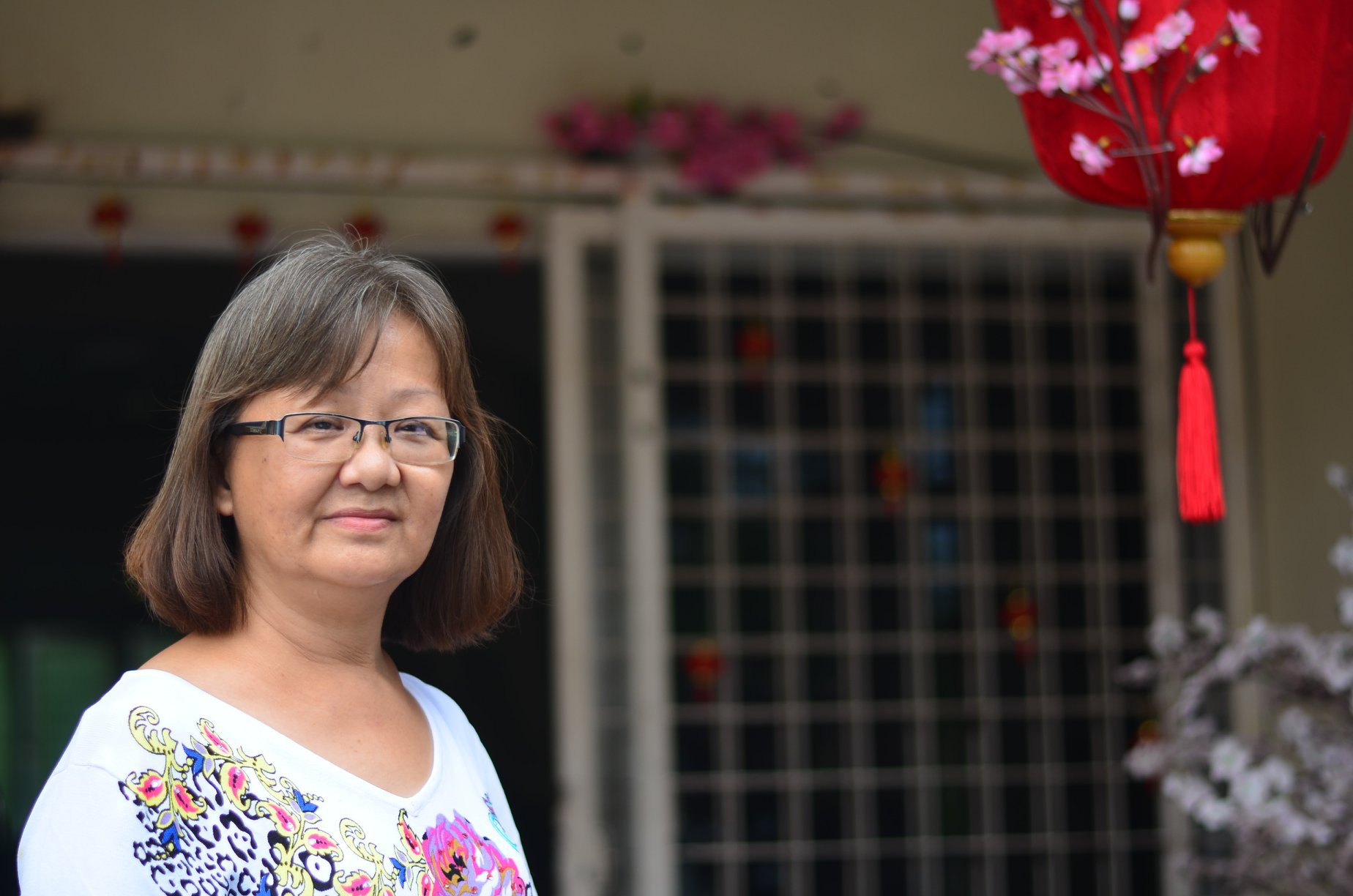
“I stay at an old folks home in Kajang with my husband. My son left us both, and I understand he would not have left us if he was not desperate enough…”

“As a family of three, we were always moving around from one place to another back in Johor three years ago because we did not have enough money to pay rent. I am relieved now that I can stay at this old folks home and make new friends with the other residents here.

I just want my son to know that both of us are doing fine, and I wish he can come back to see the both of us and have a reunion dinner again this Chinese New Year.” – Ah Swee

The above interview was conducted in Cantonese.

Photo and story by Ooi Chia ShenHumans of Kuala Lumpur.

Do you have a story? Let us know here: https://forms.gle/ht4HsvbxgSgcKS5h8


(This post was first published on February 16th 2018)

“Being single at this age is not easy. I am 50 years old and am living at an old folk home as a helper. I broke both my legs in a car accident six years ago…”

“Thanks to the courtesy of the managing director of this old folk home (I work at), I was able to rest and heal here. Ever since I recovered, I have been staying here to take care of other old folks.

My brother and his family lives in Kuala Lumpur, but I don’t want to trouble them though I need help sometimes. They have a life of their own. 

I am happy here because I do not have to spend my Chinese New Year alone over the past six years. However, I wish I can visit my father in another old folks home in Cheras this Chinese New Year and have a family reunion dinner with the rest of the family. He is 86 years old and as much as I do want to spend time with him, it is hard for me to find a transport there.”- Chong Li Mei.

The above interview was conducted in Cantonese.

Photo and story by Ooi Chia ShenHumans of Kuala Lumpur.

Do you have a story? Let us know here: https://forms.gle/ht4HsvbxgSgcKS5h8


(This post was first published on February 15th 2018)

“My husband proposed to me when we were at a mamak restaurant…”

“Our story really started during my graduation day. We had dinner with other friends and at that time he gave his name cards to all of us because he was excited to be getting it from his company. After dinner, I went for a party with my other friends.

Later in the night, I realized that I didn’t have a ride to go back home and luckily, I had his name card at hand, and decided to give him a call. He was so happy to give me a ride back home since he had nothing better to do that night.

Ever since then we became close and we shared a lot of things about ourselves and our opinions – from worldly issue to the stupid issues (laughs).

Then came that night when we had were eating at a mamak at Shah Alam. Out of a sudden he decided that we should get married because ‘we make such great partners-in-crime’.

So I said yes.

And ever since then I had been looking forward to sharing the rest of our life together.”

– Humans of Kuala Lumpur — with Zulaikha Saleh.

Photostory by Mushamir Mustafa

Do you have a story? Let us know here: https://forms.gle/ht4HsvbxgSgcKS5h8


(This post was first published on February 14th 2018)

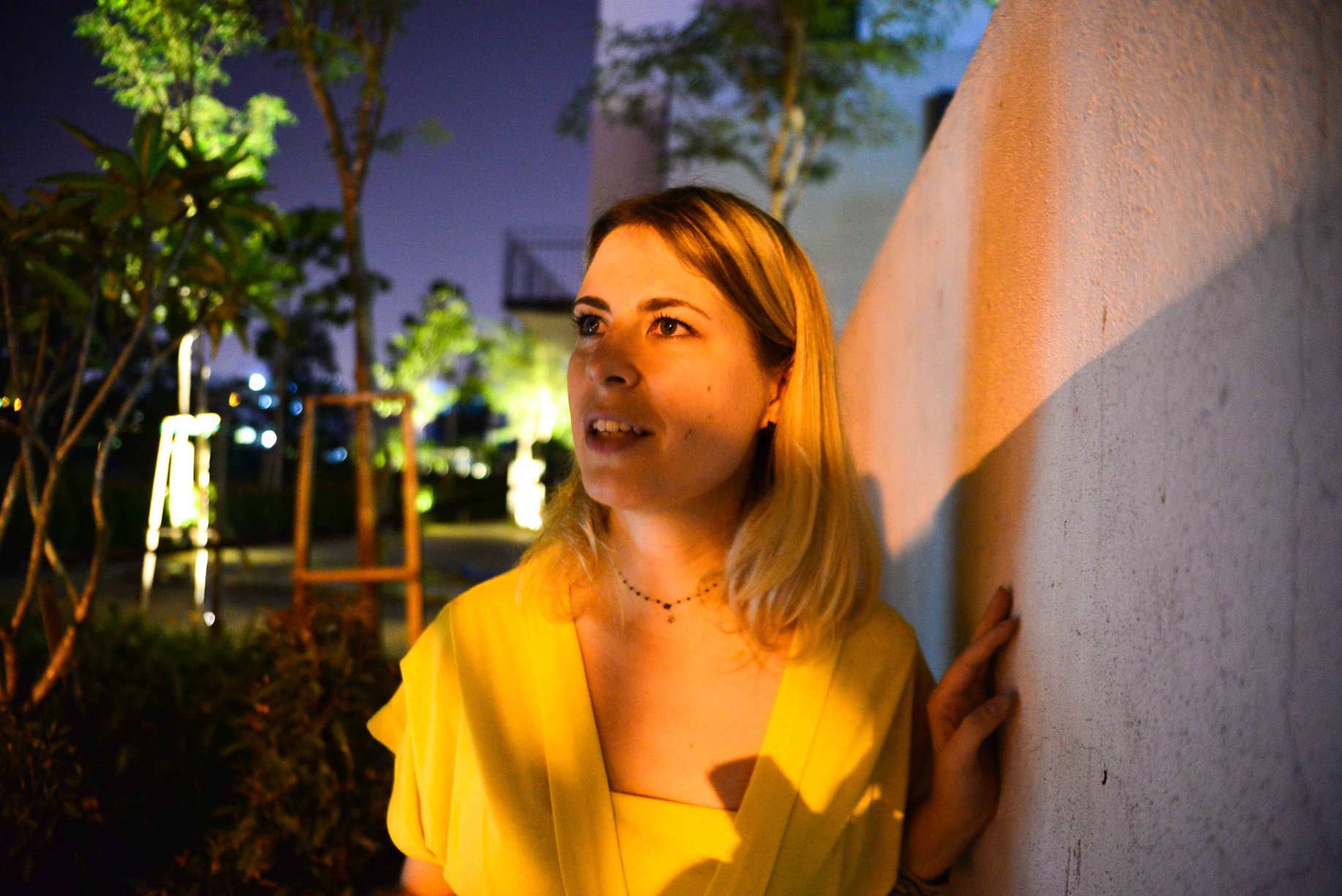
“Elsa, my daughter, was an accident. She was not planned, but it ended up being the best thing that happened in my life…”

“It was a struggle when I was younger, I was 21 and I haven’t even graduated when she was born. Financially I was poorly off, life was challenging for quite some years. Still I traveled a lot with her and we did volunteering work, I remember when I was in university she was there sleeping on the library floor. Everything I did she came with me.

None of my friends had kids back then and it was difficult to keep up with them, because you have new responsibilities and not everyone was so understanding. The responsibility was heavy, because I didn’t have a baby sitter. People reacted in different ways.

When I got pregnant with Elsa I thought of doing an abortion. But on the last night before I was to go to the clinic I felt there was something bigger telling me not to do it, it was the strangest moment I’ve felt. 

It was a presence in the room, I guess the only way I can say it is, a God, so I started believing there was some God out there. So I didn’t go to the clinic that morning, it was a feeling so strong, telling me not to go ahead with the abortion. 

There was a reason for why she was born, even if she has been brought up without her dad which I think is a shame and with no contact – but I know that there is a reason why she was born.

We really said this happened, and after I decided to keep the child, he was supportive and wanted to try and make it work, as well as his family. We got engaged but that’s when I saw that I was going to be so unhappy with this guy – he was over possessive, jealous, and angry.

Her dad is not married and living in Australia, but I think he is traveling around the world with a Russian girlfriend. He’s very rich and he didn’t pay for child support. 

He was my boyfriend and we had broken up for a long time as it wasn’t stable. We didn’t get along very well, I think it was a cultural thing, he was from a very Italian upbringing with a strict dad, and he had the view that he would decide things for me and what I could do. And I was on the total opposite end, in a Scandinavian way of seeing how women are free. It was a clash. 

I’m really happy that we’re not together seeing how things could have gone. Of course I want her dad to be around, but in terms of personality you’re better off alone than being with someone that makes you unhappy. 

We were fighting and arguing – we tried for years, and I still kept thinking there would be a chance for us to be together and change and be a family. But it was not meant to be. There was an awkward situation where I went to talk to him about our situation and at the cafe there was a woman staring at me…turns out she was his partner. 

Sometimes no matter how much you’ve tried, things aren’t just the way to be. A broken life can still be made whole. As I got older, I realized ‘broken’ is the new norm. Do the best you can , try to build up from it, draw from the ‘broken-ness’ to build something beautiful, draw from the shadows to bring light. Nothing is perfect.

Today Elsa is 11 and its been a journey seeing life again through a child’s eyes and especially traveling like this – its a double discovery as you’re discovering your own self and through her own eyes. And I think she’s been amazing because she’s adapted to so many new countries and friends and here in Malaysia she goes to a French school. It has been a blessing in that sense.

If Elsa is to see this message 20 years from now, I want to tell her that I hope that we can still do amazing things, just like how we just got back from climbing Mount Kinabalu, she was so strong and running up ahead. 

I hope we can continue doing crazy things together, and who knows I might get other children in the future along the way, I still hope we can have fun in the future and that she is able to pursue her dreams both in love and work. 

She’s got these crazy passions and tells me how she wants to be a singing football player who is also a hairdresser. Whatever it is, my message to her will be to stay strong and courageous, and I will always be there for you.”

– Humans of Kuala Lumpur

*This is Alva’s story. Alva worked in KL for quite some time and has since left Malaysia with Elsa due to work. We wish the best for the both of them. 

Photo story by Mushamir Mustafa — with Alva Bruun.

Do you have a story? Let us know here: https://forms.gle/ht4HsvbxgSgcKS5h8


(This post was first published on February 12th 2018)

“I’m from Sarawak, and my family are all of different religions, due to intermarriage of the different races…”

“During Christmas we would go and pay a visit to their homes and vice versa – where they would visit our homes and celebrate. Christians and Muslims in Sarawak both celebrate each other’s festive season. There’s no problem. Mixed marriages is quite normal so we don’t see why we can’t celebrate one another’s important festival.”

– Humans of Kuala Lumpur

Photostory by Mushamir Mustafa

Do you have a story? Let us know here: https://forms.gle/ht4HsvbxgSgcKS5h8


(This post was first published on February 12th 2018)

“My adopted (Rohingya) daughter studies together with my son. She is still affected from her past. I do my best to make her feel home but the trauma is there…”

“I work full time with the European Rohingya Council, and NGOs to provide healthcare and education for the Rohingya refugees in Malaysia. We teach them skills such as sewing, and help them to move on. I always tell the Rohingyas at our centre in Kedah that they have to learn to survive on their own.

It started in 2012 when my friend called me saying there were Rohingyas landing on the shores in Langkawi, where I was staying. I have never heard of Rohingyas before. All I knew was there were people who needed help, so I started calling people asking for foods, clothing and funds. I gave everything I had.

That day at the beach, I saw women and children’s screaming for help and it was something I can never forget. The tears, their facial expression… You can see clearly they were shouting for people to save them. They wanted to live.

I used to work in the hospitality industry as a manager and was earning well. My life was good, being a full-time mother. I pity my boy because I hardly spend time with him these days but he understands the importance of my work and my husband has been very supportive. 

Children are innocent. They deserve rights to basic necessities and education. I will continue (my activism) until this genocide stops.” 

– Humans of Kuala Lumpur

The person featured is Tengku Emma Zuriana bt Tengku Azmi, The European Rohingya Council, Ambassador to Malaysia.

Photostory by Christine Cheah 
Edited by Mushamir Mustafa

Do you have a story? Let us know here: https://forms.gle/ht4HsvbxgSgcKS5h8


(This post was first published on October 27th 2018)

“My name is Staci Tan and I am 26 this year. I was 25 when I was diagnosed with Stage 3 colon cancer…”

“A few months into my job in a media agency as a media planner, I was sent for a medical check up where subsequently I was diagnosed.

The tumour was as big as my fist and it was removed alongside 27cm of my colon. I was in hospital for 10 days and took 6 weeks off work for recovery. This was in January 2016.

In March 2016, I started 12 cycles of chemotherapy every 2 weeks. I did not stop work because it was manageable. 

Working actually helped me feel normal, because sitting at home just wasn’t doing me any good. 

One week I would go for chemo and the second week I would go back to work. 

The first week after chemo, for the first two days I would feel really tired and don’t feel like working but by the third day I actually felt like I could get the hang of it. 

Work gave me a sense of normalcy and it helped me to recover.

This lasted till sept 2016. You will find a scar at my collarbone – this is the chemo port. 

Nurses put in the needles into the port under my skin to conduct chemotherapy. I still have it with me till today; the doctor wants me to keep it up to five years, just in case. 

Until I surgically remove it, I have to flush it at the hospital every 3 months. 

I feel more normal every day, and sometimes forget about the cancer experiences I had to go through. 

But I wouldn’t say I’ve moved on. It gets more infrequent but sometimes you just have a dilemma whether to push your limits or to hold back your ambitions. 

I guess that’s the struggle for young cancer survivors. We’re too young to retire and have a lot of things that we still want to achieve but we’re afraid if pushing the limits will cause a relapse.

I find it kind of funny but I felt most blessed and lucky when I was diagnosed with cancer. 

There were many things to be thankful about — being diagnosed before it spread further, having just enough insurance coverage for the treatment, meeting great doctors, having a good job, having supportive bosses and colleagues, family to take care of me, lovely friends to check on me and many more.

When my colleagues or friends hear of my cancer stories, they would say “you’re so strong”, and I always hesitate to reply because I think everyone has their own stories of being strong. Mine happens to be cancer. 

For others, it may be depression, body image issue, or family affairs. We all have stories of strength in our own ways. Stay strong. You never know who you’re inspiring”.

– Humans of Kuala Lumpur went down and spoke with a trio of female cancer survivors from theNational Cancer Society Malaysia. These are their stories.

Staci runs her own personal blog documenting her journey, visit it at https://kyension.com/category/sharestrength/

Photostory taken by Sofia Irfan, with editorial assistance from Mushamir Mustafa — with Staci KY Tan.

Do you have a story? Let us know here: https://forms.gle/ht4HsvbxgSgcKS5h8


(This post was first published on November 15th 2017)

“My dream was to be a psychologist and to open a center and help underprivileged children develop socially and mentally…”

“That’s why I studied developmental psychology all the way until PhD, until 3 years ago when I found out I had cancer. I was 27 years old.

Back then, I was a news anchor for ntv7, and hosted a successful web series and events, but as I was heading for a conference in China, I started getting diarrhea once a month which then became chronic for three weeks straight, whilst at full day events. 

I went to see two doctors, and the medication I took didn’t help me at all. My dad then instructed me to go see a specialist so I went to see a gastroenterologist and he actually told me not to do a colonoscopy, but my dad insisted, and because of that we found a tumor in my colon. 

So I had seven days to get my life together before my surgery – because it might spread and it is fatal. 

When I woke up after the long procedure, I found that I had a colostomy bag, which is when your intestines are hanging out of your body and held in the bag, so your feces and everything has to go through it. Turns out that the tumor was too close to the rectum.

They reversed the colostomy. I didn’t have to do chemo but the experience of the bag was a hard one. I couldn’t believe that it was happening. 

The doctors couldn’t understand why either because I had no genetic history of it. 

At the time I had a boyfriend. He actually cleans up the poo- since I don’t poo the normal way- and sometimes I can’t even control it and it’ll come out while he’s wiping it and he still did it. 

He’s now my husband. He’s really supportive. We’ve been together about six years and when I had cancer it was our fourth year together. 

But now my dream has changed, because I’ve had cancer. I came back to Malaysia to raise awareness. Now I want to help cancer patients and survivors – especially young ones. Young people with cancer are actually occurring more and more, so people need to be more aware of it.

It’s so unexpected for them and I want to help them move on with life.

A lot of young patients feel embarrassed about it, and never tell their friends. But they shouldn’t feel that way. They should take it as an experience, learn from it and move forward positively. I think that’s very important. After a while, I realized why should I be embarrassed about it? And that’s when I came out.

Just because they are young doesn’t mean they don’t face problems, and actually it’s because that they are young that they face more problems, as compared to elderly people who get cancer. It’s tougher for them to get a job, and they can never be covered by insurance ever again, so be prepared. It’s very important to get covered if you’re young financially. Early detection is important.

I know that when you are young, you wanna try and move on, you want to try and live a normal life. But I think you should try and understand and don’t keep it inside. If you wanna share or if you need support, come to our support groups” 

– Humans of Kuala Lumpur went down and spoke with a trio of female cancer survivors from theNational Cancer Society Malaysia. These are their stories.

Check out Mei Sze’s page at www.facebook.com/choomeisze/ and https://meisze.com/

Photostory taken by Mushamir Mustafa, with editorial assistance from Sofia Irfan. — with Choo Mei Sze and Choo Mei Sze.

(This post was first published on November 14th 2017)